
"Ethiopia Harrar"
800 article(s) found
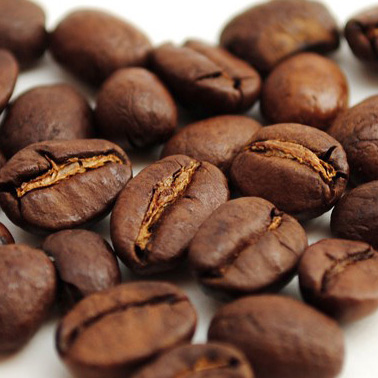
African Coffee Manor Irga Coffee beans from Ethiopia with a slightly floral flavor
Ethiopia Irga Coffee (Ethiopian Yrgacheffe) is glycol, low acidity, rich fragrance, unique strong fruit aroma, slightly floral aroma Fine mellow body light acidity, outstanding aroma, with extraordinary floral perfumes Harald ECMC (the Ethiopian Coffee Marking Corporation).
Unique Ethiopian Coffee Manor boutique Coffee Bean Flavor, taste and aroma description Jane
Grade of Ethiopian coffee: Ethiopian washed coffee Yega Chuefei G1 G2 Sidamo (Yirgacheffe, Sidamo) has the highest grades 2 and 3 (G2, G3), while sun-processed coffee in eastern Ethiopia is mostly grade 4 or 5 (G4, G5). In many cases, level 4 coffee is marked as level 5 in order to reduce taxes. At present, the classification is not uniform and there are

A brief introduction to the planting Market Price of Fine Coffee Bean varieties in Shaqisuo producing area
Harald Coffee this coffee grows in areas ranging from 900m in the Darolebu plain to 2700 m in the highland mountain range of Chercher in eastern Ethiopia. These mountains do provide unique characteristics for these perennial coffee beans: the fruit is full and long, moderately acidic, and the typical mocha is refreshing.

A brief introduction to the description of flavor, taste and aroma characteristics of fine coffee beans in Shaqisuo producing area with rich alcohol thickness.
Harald coffee (HarrarCoffee) comes from the highlands of eastern Ethiopia and is medium-sized in bean shape.
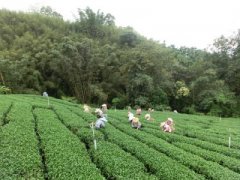
A brief introduction to the Market Price of Fine Coffee Bean varieties in the Sweet and lovely Ethiopian Coffee Manor
Yirgachefe Coffee this coffee grows in areas ranging from 1500 to 2200 meters above sea level. This coffee is washed in a clear stream, carefully selected by hand and exposed to plenty of sunshine. The taste is unique; the fruit is medium-sized, comparable to Mocha. The taste is mellow, the charm is unique, it gives people a fresh feeling, and the market prospect is optimistic. According to estimates, in 4200

Lemon and Citrus Charchesot Fine Coffee Bean Grind Roast Degree Treatment Method
Limu Coffee This coffee is grown in areas ranging from 1400 to 2000 meters above sea level. This coffee is wet processed and has a strong aroma; the fruit is full and the pH is moderate; the quality is excellent and the spicy flavor is attractive. It is estimated that the average annual production of this coffee is 29000 tons (equivalent to 480,000 bags of 60 kg coffee) out of 49000 hectares of cultivated area.
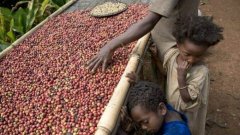
Characteristics of African coffee beans acting as agents of African coffee beans
There are eight main producing areas of Ethiopian coffee: Ekempti, Limu, Illubabor, Djimma, Harrar, Teppi/Bebeka, Sidamo, Yirgacheffe. Ethiopian coffee is highly rated in Taiwan, especially Chinese people are particularly interested in the three famous producing areas of Ethiopia, namely Harrar, Sidamo and Yirgacheffe.

Treatment of grinding degree and roasting degree of fine coffee beans in Ethiopian Coffee Manor
Grade of Ethiopian coffee: Ethiopian washed coffee Yega Chuefei G1 G2 Sidamo (Yirgacheffe, Sidamo) has the highest grades 2 and 3 (G2, G3), while sun-processed coffee in eastern Ethiopia is mostly grade 4 or 5 (G4, G5). In many cases, level 4 coffee is marked as level 5 in order to reduce taxes. At present, the classification is not uniform and there are

What are the characteristics of Ethiopian coffee beans? flavor description manor information
Professional baristas please pay attention to the coffee workshop (Wechat official account cafe_style) YirgacheffeCoffee coffee has a strong floral flavor. Washed Yega Chuefei is one of the best high-estate coffee in the world, with soft acidity and rich thickness. Top and Bebeka coffee, with low acidity but high alcohol thickness, are indispensable members of the blended coffee. Big
Ethiopia-Ghimbi, Sidamo, Harar and Yegashefi
Ethiopia's coffee-producing areas are divided into east and west parts by the Great Rift Valley. Lakes, volcanoes, lowlands, plateaus and woodlands alternate and evolve independently. Ethiopia has the most diverse coffee ecosystem in the world (forest coffee, semi-forest coffee, pastoral coffee and plantation coffee), which also allows it to preserve its rich Arabica genes. The eastern half is mostly plateau, coffee beans

Sweet and lovely Ethiopian Coffee Manor boutique Coffee Bean Flavor, taste and aroma description, Jane
Sidamo coffee (SidamaCoffee) has medium bean shape and green gray. Hidamo washed coffee is known as sweet coffee (sweet coffee) because of its balanced taste and flavor. it has delicate acidity and good alcohol thickness. it is produced in the south of Ethiopia and can be mixed with fine products. YirgacheffeCoffee coffee has a strong floral flavor. Washed Yega Xuefei is the world

The cultivation of fine coffee beans in the Ethiopian Coffee Manor with long, thin beans.
In December 1994, the Constitution of the Federal Democratic Republic of Ethiopia was formulated. According to the Constitution, Ethiopia will implement a federal system and a parliamentary cabinet system after the general election for a term of five years. After the national election in May 1995, the Federal Democratic Republic of Ethiopia was established on August 22, and Meles became prime minister in her capacity as chairman of the majority party of the people's House of Representatives. On May 14, 2000, Ethiopia held a national meeting

A brief introduction to the unique Market Price of Fine Coffee Bean varieties in Ethiopian Coffee Manor
Grade of Ethiopian coffee: Ethiopian washed coffee Yega Chuefei G1 G2 Sidamo (Yirgacheffe, Sidamo) has the highest grades 2 and 3 (G2, G3), while sun-processed coffee in eastern Ethiopia is mostly grade 4 or 5 (G4, G5). In many cases, level 4 coffee is marked as level 5 in order to reduce taxes. At present, the classification is not uniform and there are

Sweet and lovely Ethiopian Coffee Farm Coffee Bean Grinding degree treatment method
Djimma Coffee this coffee grows in areas ranging from 1400 to 1800 meters above sea level. This kind of coffee is natural or sun-cured; it is weakly moderately acidic, the fruit is full, and the average quality is good; the smell is fragrant and mellow; one drop in the mouth, endless aftertaste. It is estimated that the average annual production of this coffee is 70000 tons (equivalent to 1.17 million bags) out of 127000 hectares of cultivated area.

Sweet and lovely Ethiopian Coffee Manor Fine Coffee Bean cultivation Geographic location Climatic Sea
Yirgachefe Coffee this coffee grows in areas ranging from 1500 to 2200 meters above sea level. This coffee is washed in a clear stream, carefully selected by hand and exposed to plenty of sunshine. The taste is unique; the fruit is medium-sized, comparable to Mocha. The taste is mellow, the charm is unique, it gives people a fresh feeling, and the market prospect is optimistic. According to estimates, in 4200

A brief introduction to the cultivation of boutique coffee beans in the wild Shaquiso producing area, geographical location, climate and altitude
Harald Coffee this coffee grows in areas ranging from 900m in the Darolebu plain to 2700 m in the highland mountain range of Chercher in eastern Ethiopia. These mountains do provide unique characteristics for these perennial coffee beans: the fruit is full and long, moderately acidic, and the typical mocha is refreshing.

Treatment method of grinding degree and baking degree of boutique coffee beans in aromatic Ethiopian coffee manor
Ethiopia has many world-famous types of coffee. Some of the main types of coffee are famous for their unique aroma and flavor, including the following: Limu coffee grows in areas ranging from 1400 to 2000 meters above sea level. After wet processing, this kind of coffee has a rich aroma, a full fruit with moderate acidity and alkalinity, and a high quality wine.

Characteristics of Flavor and Taste of Fine Coffee beans in Ethiopian Coffee Manor
Large-scale coffee-growing villages account for about 35% of the country's total coffee production. These coffee farms, which use a multi-tier coffee planting system, are carefully cared for. Coffee farmers do not use chemical fertilizers, but use fallen leaves and animal and plant debris to increase soil nutrition. In addition to coffee, farmers also frequently grow non-coffee crops. It even accounts for the total amount of coffee in the country.

A brief introduction to the History and Culture of the Origin and Development of Fine Coffee beans in Shaqisuo producing area
Harald Coffee this coffee grows in areas ranging from 900m in the Darolebu plain to 2700 m in the highland mountain range of Chercher in eastern Ethiopia. These mountains do provide unique characteristics for these perennial coffee beans: the fruit is full and long, moderately acidic, and the typical mocha is refreshing.

A brief introduction to the Origin and Development of Fine Coffee beans in the unique Ethiopian Coffee Manor
Grade of Ethiopian coffee: Ethiopian washed coffee Yega Chuefei G1 G2 Sidamo (Yirgacheffe, Sidamo) has the highest grades 2 and 3 (G2, G3), while sun-processed coffee in eastern Ethiopia is mostly grade 4 or 5 (G4, G5). In many cases, level 4 coffee is marked as level 5 in order to reduce taxes. At present, the classification is not uniform and there are